
First-Timer’s Guide
What to Know Before Your First European River Cruise
Disclosure: Some links on this page are affiliate or referral links, including travel insurance quotes. If you book or buy through them, I may earn a commission. Your price stays the same.
A river cruise and a big ocean ship are two totally different vacations. One is a floating resort with thousands of guests. The other ties up a few blocks from a medieval old town with around 150 people onboard. If you’ve only done the first kind, a few things about the second will surprise you.
I’ve sailed AmaWaterways through Alsace and Burgundy and I plan luxury river cruises for clients across the US. This is my first-timer rundown, from picking a river to the stuff nobody mentions until you’re standing on the dock.
The Short Answer
A European river cruise is a small-ship cruise, usually 100 to 200 guests, that docks close to town so you see a new place almost every day and only unpack once. Most first-timers start on the Rhine or the Danube and sail in spring or fall for comfortable weather and smaller crowds.
The Basics
How Is a River Cruise Different From an Ocean Cruise?
River ships have to fit through locks and under low bridges, so they’re small. Many European river ships are about 443 feet long and 37 to 38 feet wide. That one fact changes everything else:
| European River Cruise | Ocean Cruise | |
|---|---|---|
| Guests | About 100 to 200 | Hundreds to several thousand |
| Where you dock | Usually a short walk from town | Often a cruise port or tender boat |
| Pace | A new town almost every day | Mix of port days and sea days |
| Evenings | Music after dinner, drinks in the lounge | Shows, casinos, nightlife |
| Dress code | Casual by day, smart casual at dinner, no formal nights | Varies, some lines have formal nights |
| Motion | Rivers don’t have ocean swells | Depends on the sea |
Bottom line: a river cruise is about the places, not the ship. You’ll know the crew by name by day three.

Step One
Which River Should You Choose for Your First Cruise?
Start with what you love. Castles? Wine? History? Each river has its own personality.
Rhine
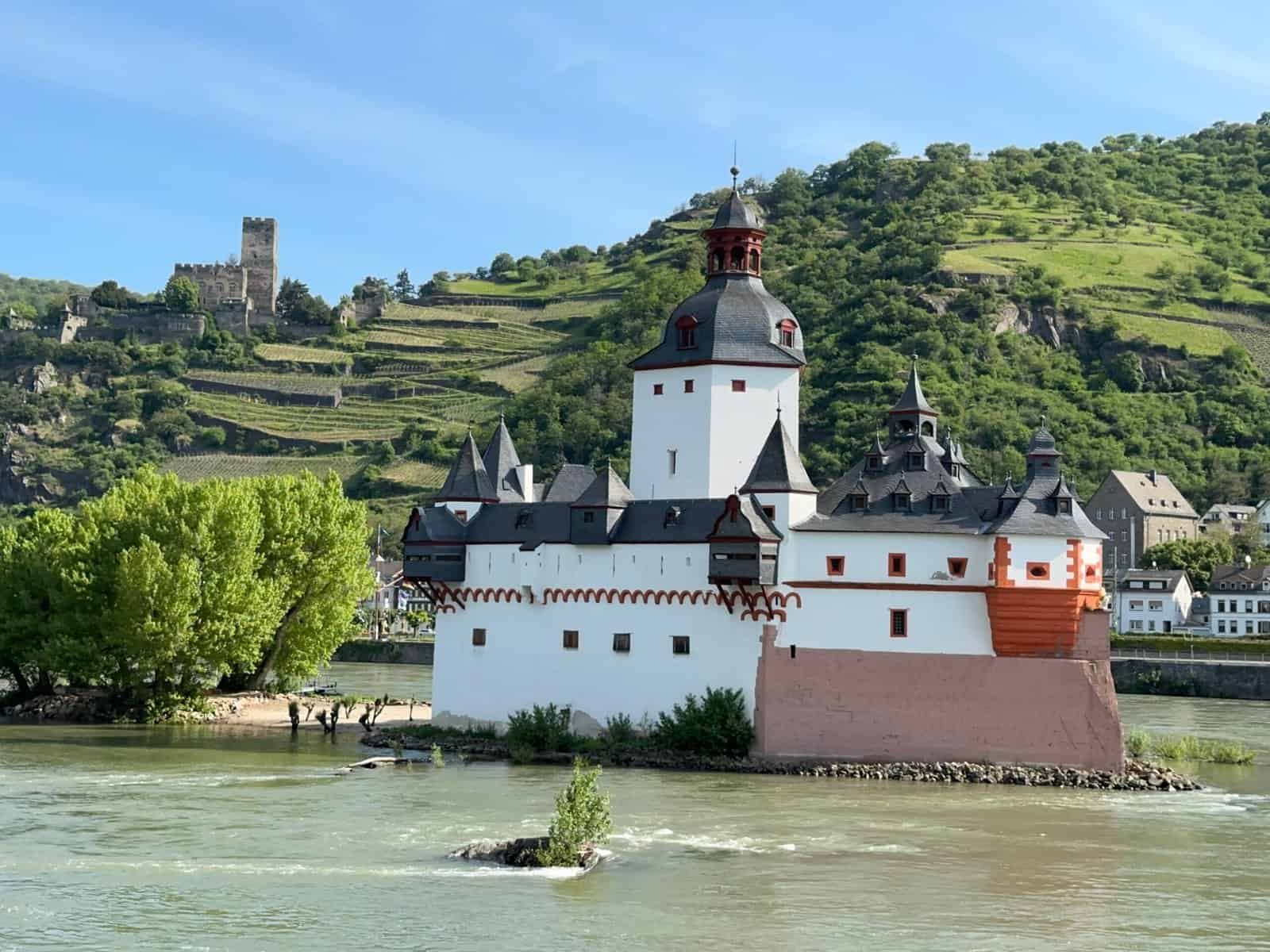
Amsterdam, Cologne, the castle-lined Rhine Gorge, Strasbourg and Basel.
Best for: a little bit of everything
Danube
Budapest, Vienna and the vineyards of Austria’s Wachau Valley.
Best for: music, architecture and pastry
Seine
Paris, Monet’s gardens at Giverny and the Normandy beaches.
Best for: WWII history and art lovers
Rhône & Saône
Lyon, Avignon, Provence and Burgundy wine country.
Best for: food lovers
Douro
Porto and the terraced vineyards of northern Portugal.
Best for: port wine and scenery
Moselle
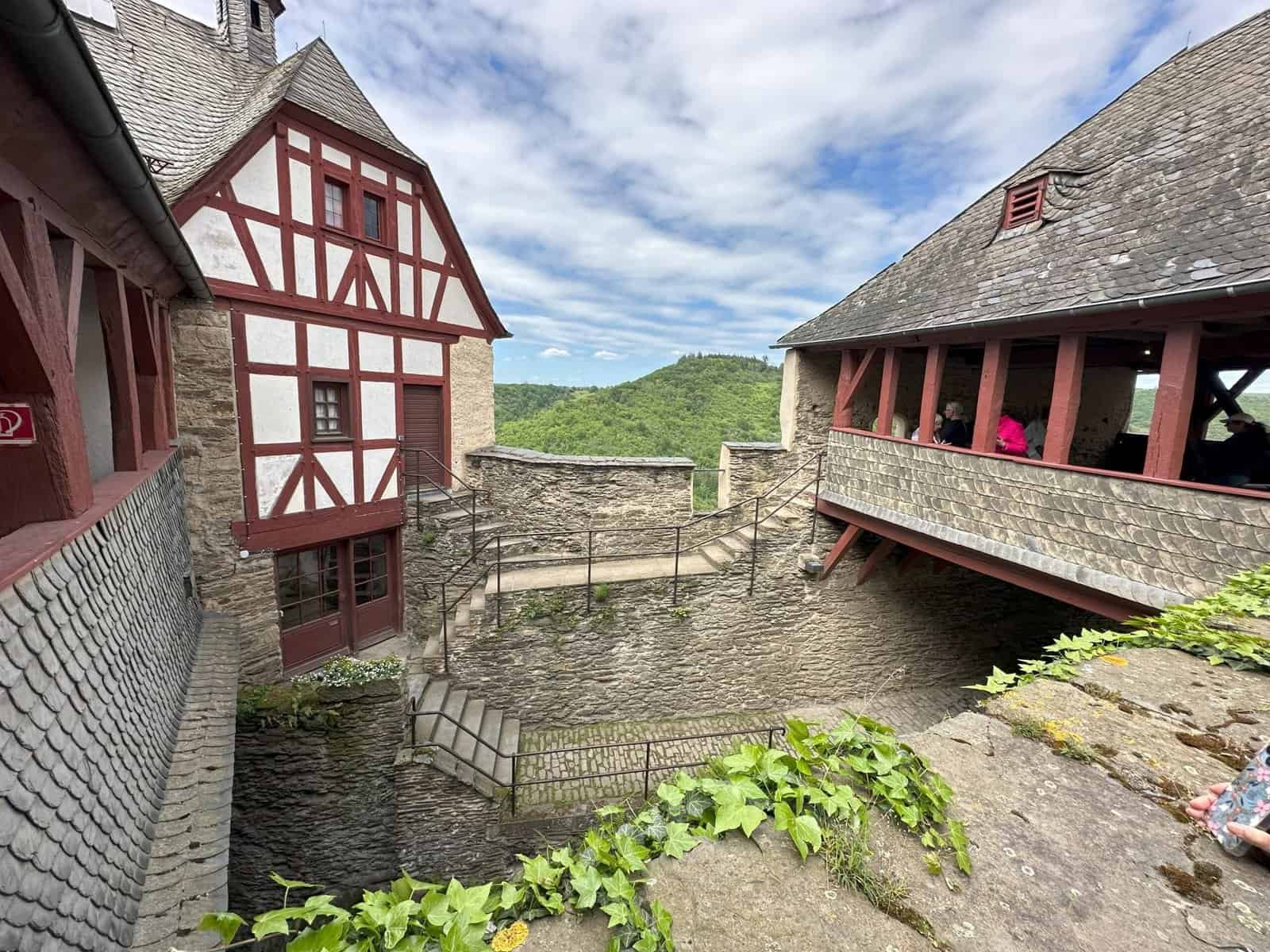
Wine villages in Germany and Luxembourg, often paired with the Rhine.
Best for: Riesling and small towns
Pro tip: if you can’t decide, the Rhine is the easiest yes for a first river cruise. You get big cities, small towns and the castles everyone pictures.

Step Two
When Is the Best Time for a European River Cruise?
The season runs from March through December. Every season has a trade-off, so here’s how I’d think about it:
- Spring (March to May): mild touring weather and tulip season in the Netherlands and Belgium, usually peaking in April.
- Summer (June to August): long, warm days. Also the biggest crowds and the highest chance of low water.
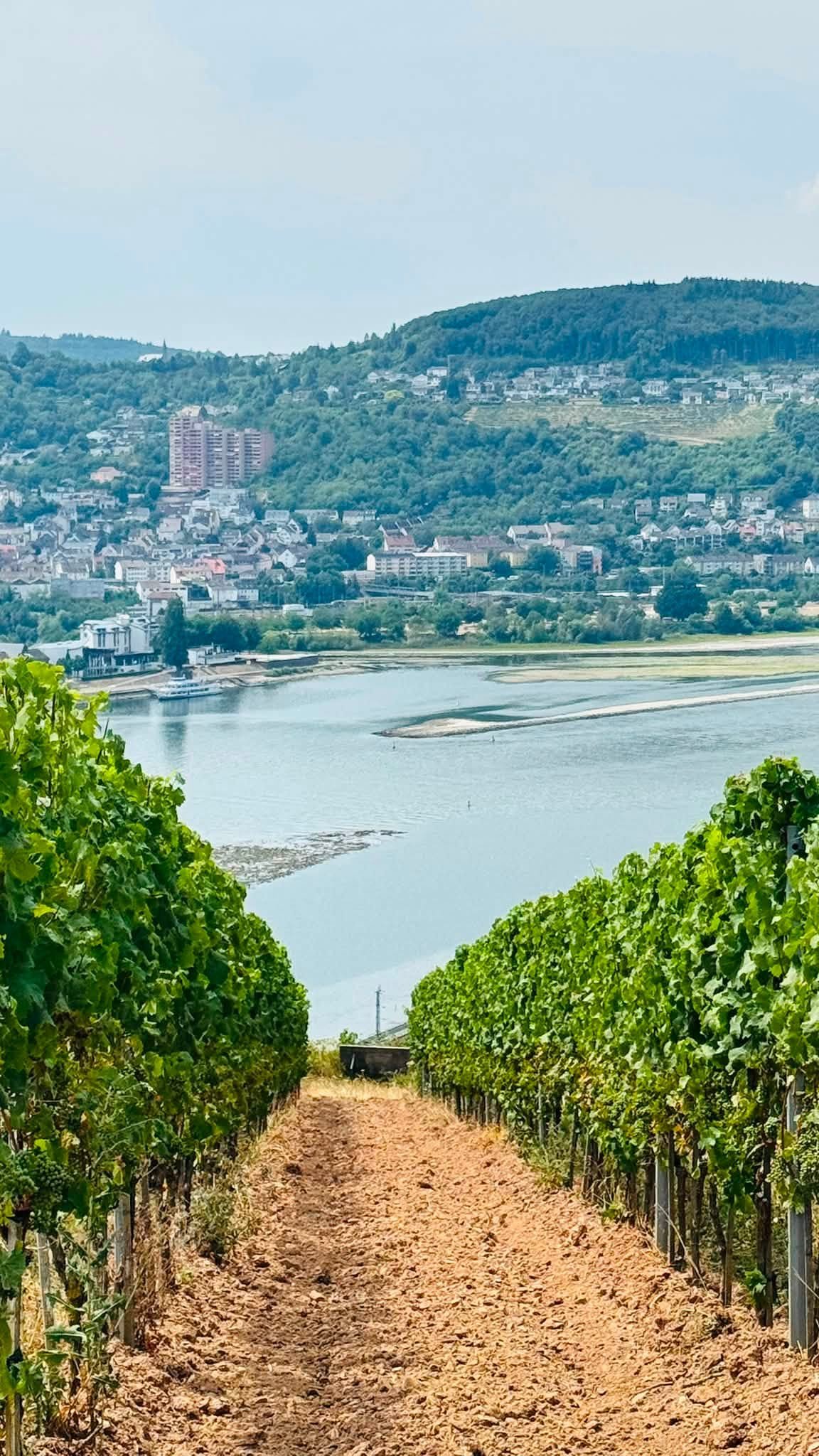
- Fall (September to October): my favorite. Crisp mornings, smaller crowds and harvest season in wine regions like the Moselle.
- Holiday season (late November to December): Christmas markets in Germany, Austria and France. Bring a real coat.

The Part Nobody Puts in the Brochure
What Happens If River Water Levels Are Too High or Too Low?
Unfortunately, this one is real. Too much rain and the river rises too high for ships to fit under bridges. Too little and some stretches get too shallow to sail.
Summer 2026 was a rough one on the Rhine and Danube. Cruise lines handled low water with itinerary changes, motorcoach transfers and ship swaps. In a ship swap, you start on one ship, ride a motorcoach past the shallow stretch and finish on a sister ship.
Full cancellations are rare. Here’s what I do for my clients so a water problem doesn’t become a trip problem:
- Recommend travel insurance on every river cruise. You can get a travel insurance quote from Faye here.
- Talk through timing, since low water is most common in late summer and high water in spring
- Watch your sailing and walk you through your options if anything changes
If the river changes the plan, we’ll get this sorted.
For the full breakdown, see my guide to river cruise low water levels.
Step Three
Which River Cruise Cabin Should You Book?
- Window cabins sit on the lowest deck with a fixed window near the waterline. Doable if you’re rarely in your room.
- French balconies are floor-to-ceiling glass doors that slide open to a railing. Fresh air and a great view, no room to step out.
- Full balconies give you space for two chairs and a morning coffee while the scenery goes by.
- Suites add real square footage, which matters on a ship where most cabins are smaller than a hotel room.
Pro Tip
The top cabin deck has the best views but can pick up noise from the sun deck above. Light sleeper? I’ll steer you to a cabin away from the busy spots.
No Surprises
What Surprises First-Time River Cruisers?
01
Ships dock side by side
Docking space in popular cities is tight, so ships often tie up next to each other. You might walk through another ship’s lobby to get to shore. Your window view could be someone else’s window for the afternoon. Totally normal and you’ll be off exploring anyway.
02
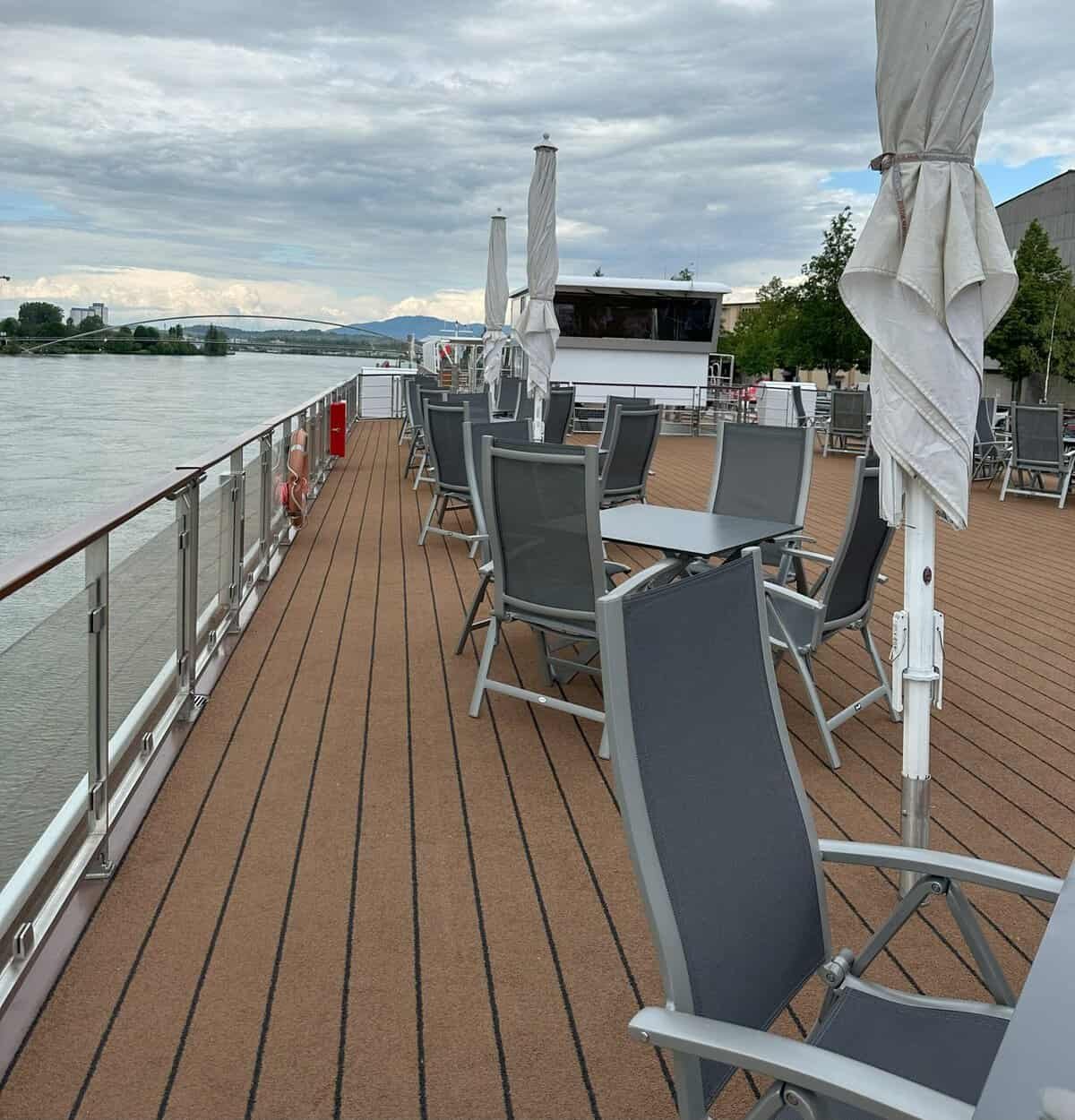
The sun deck closes under low bridges
When the ship slides under a low bridge, the crew may close the sun deck for a bit. It reopens once you’re through.
03
Gangways can be steep
Depending on the water level, the walk on and off the ship can be steeper than you’d expect. Most modern ships have elevators, but tell me about any mobility needs up front so we pick the right ship and cabin.
04
The locks are a highlight
Going through a lock sounds boring. Oh my lanta, it’s not. Grab a coffee, head up top and watch the whole ship rise or drop right there in the channel.
On Shore
Are Shore Excursions Included on a River Cruise?
On most luxury river lines, yes. You’ll usually get a guided tour in port, with optional tours available for an extra cost. Check the activity level before you choose. A walking tour over cobblestones and hills feels different on day six than it does on day one.
Add a night or two before you sail
Flying overseas and boarding a ship the same day is a lot. A couple of nights in Amsterdam, Budapest or Paris first gets you past the jet lag. If your flight is delayed, you’re not racing to catch a ship that leaves without you.
Pack for cobblestones
Layers, well-worn walking shoes and a plug adapter. Some ships, like Viking, have US outlets, but others, like Avalon, only have European plugs. For the full list, see my European river cruise packing list.


Planned Personally. Managed Completely.
Should You Use a Travel Advisor for Your First River Cruise?
You can book one yourself. Plenty of people do. Your first time, though, is when the little decisions add up: which line, which river, which cabin, which hotel the night before. Here’s what you get with me:
- A clear recommendation on river, line and cabin, with the reasons why
- Flights that get you there rested, not on two hours of sleep and a tight connection
- Pre- and post-cruise hotels close to where you need to be
- My excursion picks for every port
- Someone watching your sailing if water levels change the plan
Your job is picking the river. I’ll handle the rest.
Good Questions
First-Time River Cruise FAQs
What is the best river for a first European river cruise?
The Rhine and the Danube are the most popular choices for first-time river cruisers. The Rhine covers Amsterdam, Cologne, the Rhine Gorge castles and Strasbourg, while the Danube covers Budapest, Vienna and Austria’s Wachau Valley. Luxury travel advisor Jess Peterman often recommends the Rhine for a first river cruise because it combines big cities, small towns and castles.
When is the best time to take a European river cruise?
The European river cruise season runs from March through December. Spring brings tulip season, summer has the warmest weather and the biggest crowds, fall offers comfortable weather and harvest season and December is known for Christmas market cruises.
What happens if river water levels are too high or too low?
High water can keep ships from passing under bridges and low water can make sections of a river too shallow to sail. Cruise lines usually respond with itinerary changes, ship swaps or motorcoach transfers rather than full cancellations. Jess Peterman recommends travel insurance for every river cruise.
How many passengers are on a European river cruise ship?
Most European river cruise ships carry about 100 to 200 guests. The ships are built to fit through locks and under low bridges, so many are about 443 feet long.
Do river cruise ships dock next to each other?
Yes. Docking space in popular European cities is limited, so river ships often tie up side by side. Guests may walk through a neighboring ship to reach shore.
Do you need to dress up on a European river cruise?
No. European river cruises don’t have formal nights. Casual clothing works during the day and smart casual is typical at dinner.
Stay in the Loop
Get My River Cruise Tips in Your Inbox
River cruise tips, Europe planning help and first word when I open a new hosted trip.
Ready to Plan Your First River Cruise?
Let’s chat. Grab a time on my calendar or email jess@jesspeterman.com. I reply Monday through Thursday within 24 to 48 hours.
Book a CallGood to know: This guide is general travel planning information, current as of November 2026. Cruise inclusions, itineraries, prices and policies can change, so confirm the details with your cruise line before you book. Travel insurance plans vary in what they cover. Read the plan details before you buy and contact the insurance provider with coverage questions. Nothing here is legal or insurance advice.
