If you’re watching Rhine or Danube water levels right now and wondering what it means for your river cruise, you’re not the only one. It’s the most common question I’m getting this summer – and this year, it’s a fair one to ask.
2026 is not a normal low-water year. But low water doesn’t automatically mean your cruise is canceled or ruined. It does mean things can change, and you deserve to understand what that looks like before you book – or before you make any decisions about a booking you already have.
The quick answer
Low water stops a river ship from safely passing a shallow section. High water creates a different problem – not enough clearance under bridges. When either happens, the cruise line may change docks, adjust port timing, use coaches, add a hotel night or move guests to another ship. What happens on your sailing depends on the river, the ship and the options available at that point.
Why Water Levels Affect River Cruises
A river ship needs two things: enough water under the hull and enough clearance above to pass under bridges. Take away either one and the ship can’t get through.
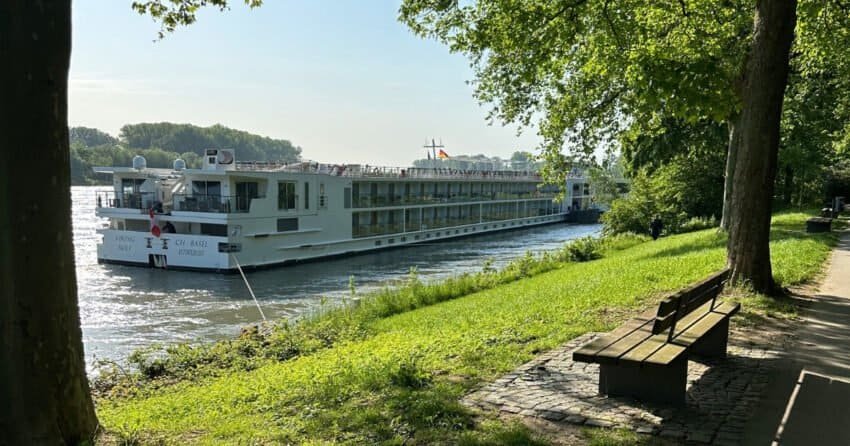
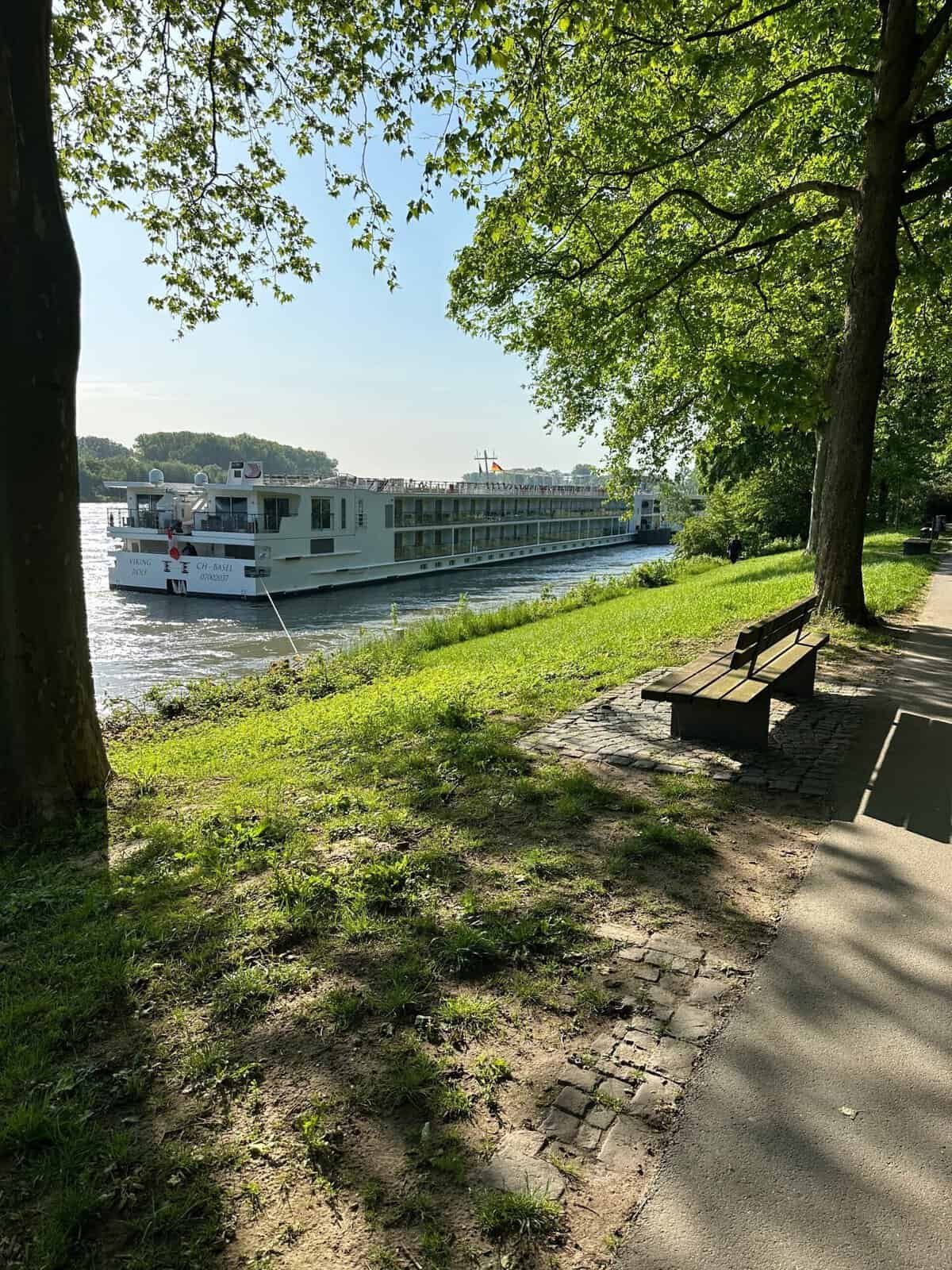
To put it in perspective, a Viking Longship is about 443 feet long. That length is built for European locks and narrow waterways, but the captain still has to work with the ship’s draft, the usable channel width, bridge heights, dock access and local navigation rules. One gauge reading doesn’t answer all of that.

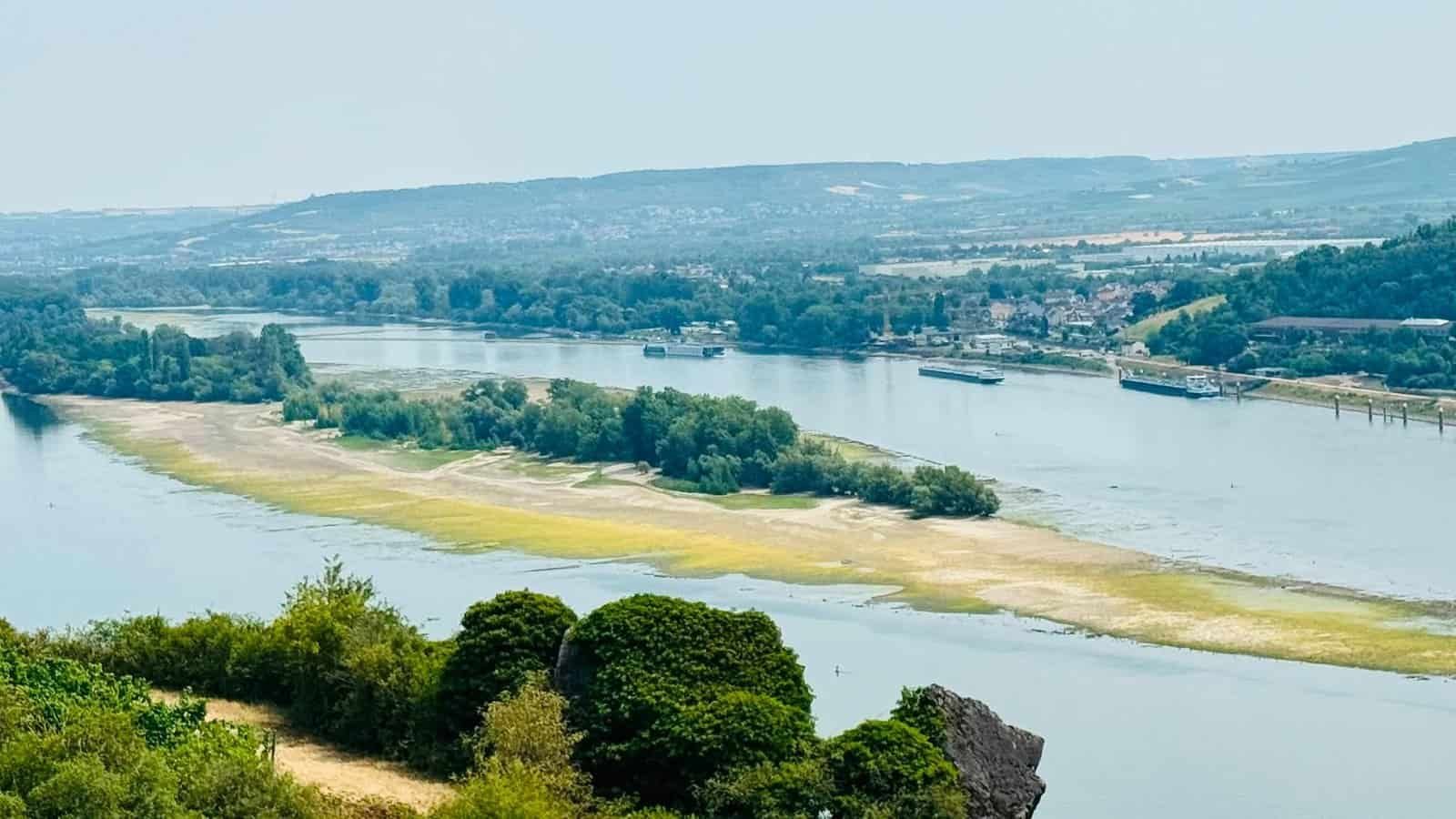
Kaub in the Middle Rhine gets a lot of attention because water depth there can limit navigation and cargo traffic. The Danube has its own problem spots in several places, so one gauge report about one city doesn’t describe the whole river.
River conditions can shift fast. A gauge reading from three weeks before departure is information. It’s not a verdict.
What’s Happening in Summer 2026?
This is not a normal low-water year. The Rhine at Kaub – the tightest navigation point on the river – dropped to 21 cm in early August, the lowest level since records began in 1880. For context, the previous record was 25 cm at Kaub in October 2018. We’re already past that and it’s only August. If you’re reading this months from now, check the date.
Here’s how 2026 compares to the years people still talk about. In 2018 – the benchmark drought year – Kaub didn’t hit its record low until October. In 2022, the worst came in mid-August at about 32 cm. This year, the Rhine was already near 40 cm at Kaub by mid-July, and the flow at Lobith hit the lowest level ever recorded for July, breaking a record that had stood since 1976. The Danube is in similar shape, with sections in Romania at their lowest in 30 years and record-low measurements in Budapest.
That’s the reality. Cruise lines including Viking, AmaWaterways, Avalon Waterways and Riviera Travel have adjusted itineraries, added coach transfers and swapped ships on affected stretches. But “worst in years” still doesn’t mean every sailing is disrupted the same way. Your specific ship, your specific dates and the conditions on your specific stretch of river are what determine the plan.
What “Itinerary Modification” Really Looks Like
“Itinerary modification” is a broad term and cruise lines know it. One change might mean a different dock and a short coach ride. Another might mean losing meaningful scenic sailing or swapping a cruise night for a hotel. Those are very different experiences. You need to understand the range.
Travelers this summer have reported everything from a short coach transfer with minimal disruption to losing significant sailing time on the Rhine – with extended bus rides and industrial docking locations replacing the scenic stretches they booked for. The range is wide. Your experience depends on your specific dates, your stretch of river and how the cruise line manages it.
A ship swap
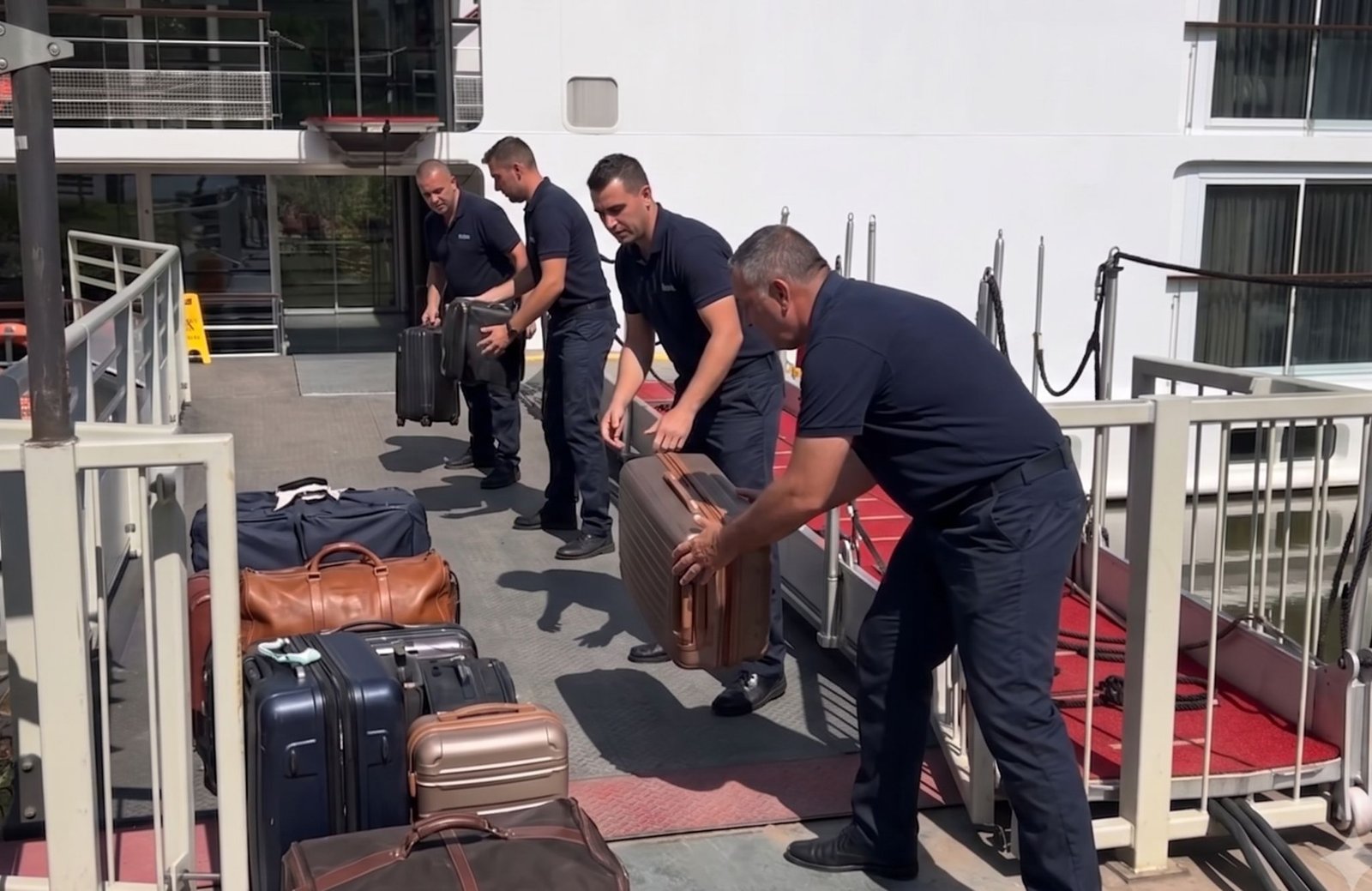
Some cruise lines run similar ships on both sides of a tough river section. When water drops, they move guests around that stretch by coach or during a shore excursion and continue the itinerary on the other ship. The crew coordinates checked luggage.
The replacement ship may have a similar layout. Don’t count on the same cabin number, same view or same location. And the second ship has its own crew.
A coach transfer
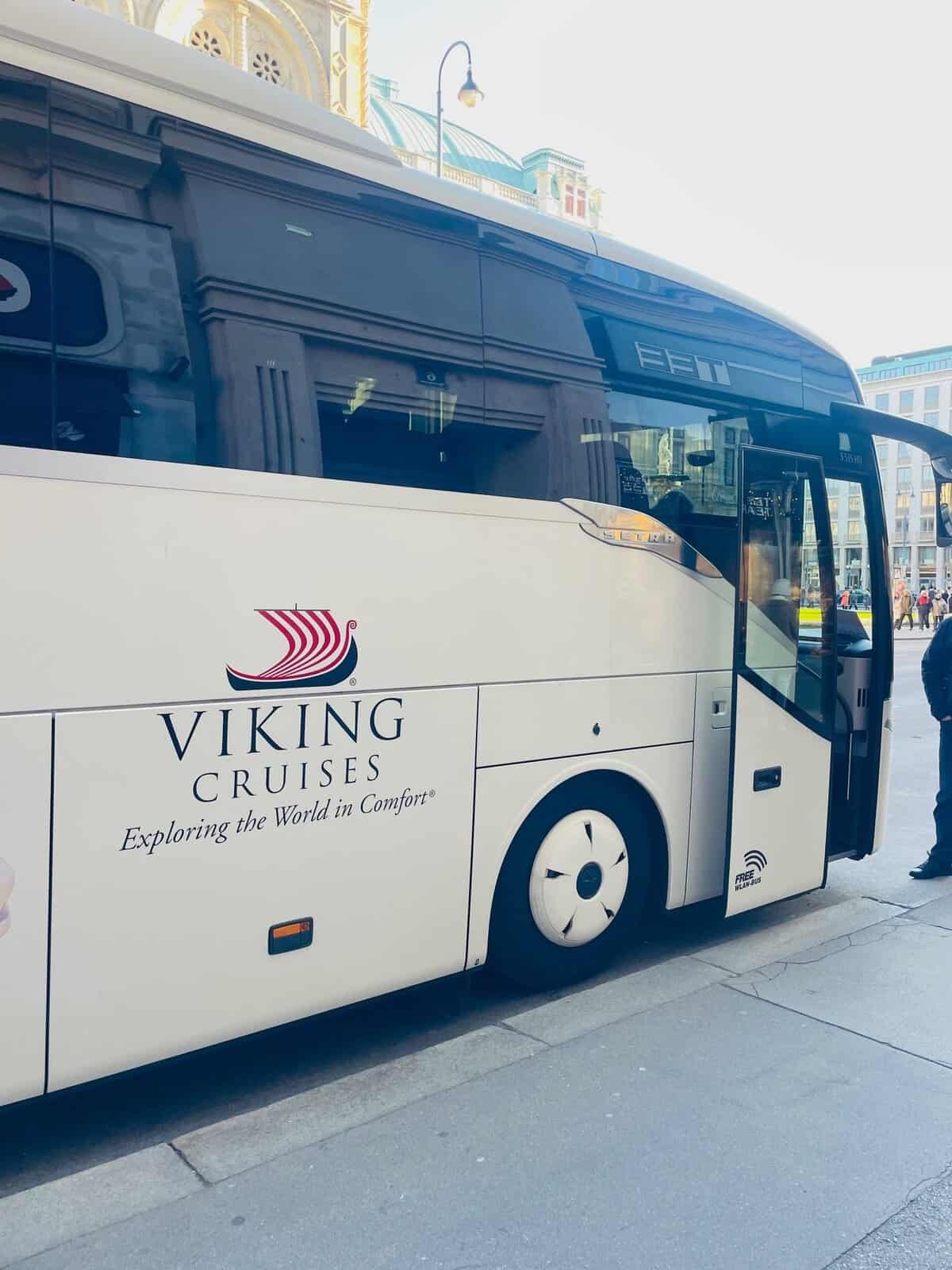
A coach carries guests around a section the ship can’t pass. Sometimes it folds into an excursion and you barely notice. Other times it replaces hours of scenic sailing. How much bus time you get depends on the affected stretch and where the ships, hotels and ports are.

Different docks, ports or hotel nights
A ship may dock outside the expected city. The line might move the starting point, skip a port, change the order of visits or put guests in a hotel. An industrial dock gets the job done, but it’s not the Rhine view you had in mind.
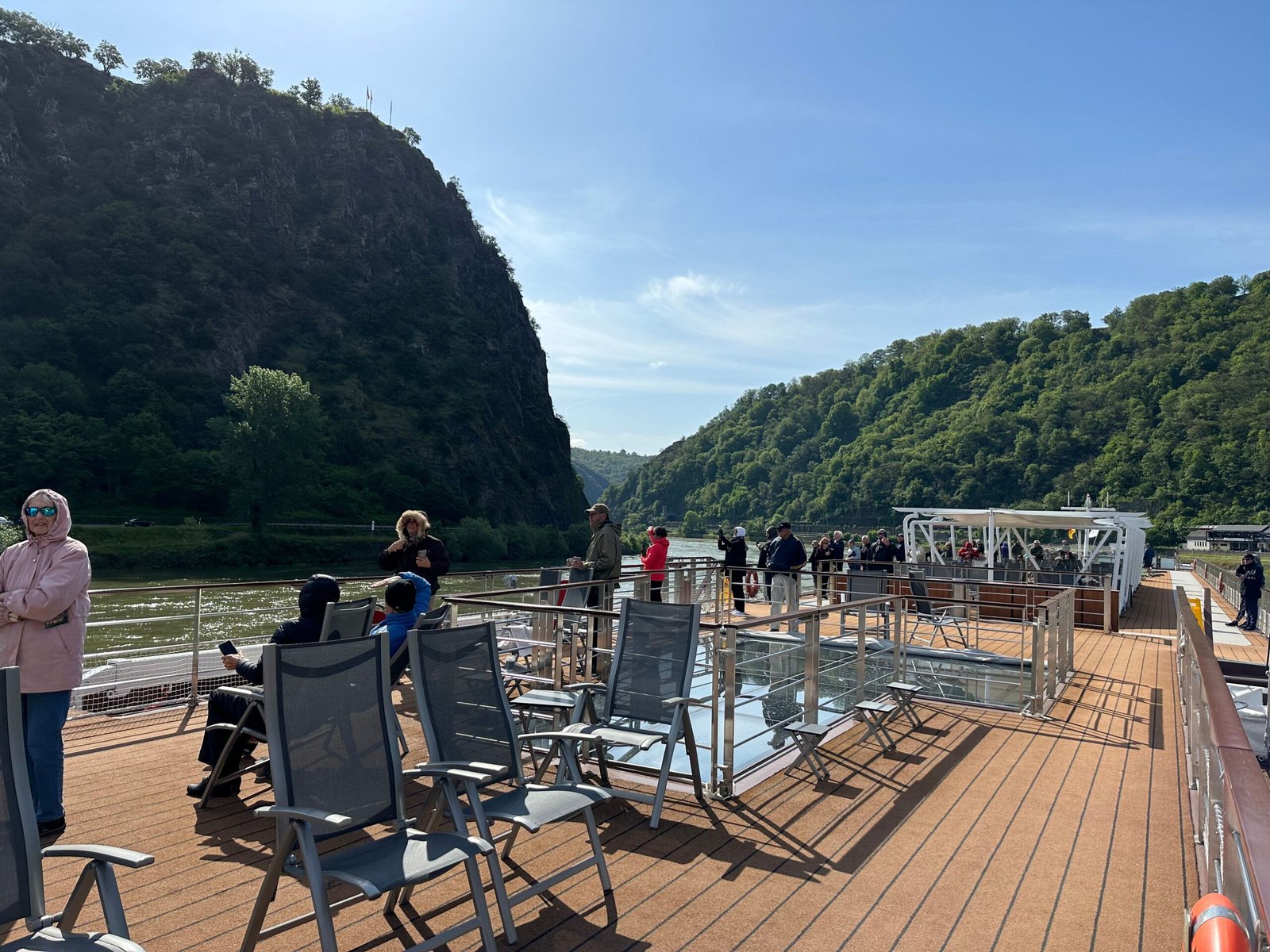
What Usually Happens on Ship-Swap Day
- The onboard team explains the plan. Instructions may come late because the line is making decisions based on current river conditions. That’s normal – it doesn’t mean they don’t have a plan.
- You pack and label your checked luggage. Keep passports, medication, valuables, electronics and anything you’d need before bedtime in your day bag.
- The crew moves the big bags. You take an excursion or ride a coach around the affected section.
- You board the replacement ship. Your new cabin may be close to what you had. The layout, number, view and crew can all be different.
| May stay similar | May change |
|---|---|
| Many major destinations | Port order and daily timing |
| A comparable stateroom category | Exact cabin number, layout or view |
| Included meals and onboard service | Captain, program director and crew |
| Many included excursions | Optional tours and time in port |
| Cruise-line handling of checked bags | Coach time and scenic sailing |
How Cruise Lines Handle Communication and Compensation
There’s no industry standard here. Fleet position, local transportation, hotel availability and the length of the blocked section all affect the plan. Communication can come late too, because the operator may not have a workable answer until close to departure.
Compensation depends on the written terms, what services were lost and what the line offered for that specific sailing. A ship swap doesn’t automatically mean a refund. If you’re in this situation, ask for written details about canceled optional excursions, missed cruise nights, changed transportation and any credit or voucher offered. Get it in writing.
Before you cancel anything, read the cruise line’s notice, confirm the cancellation penalty and review your protection plan. A panicked cancellation can cost more than the itinerary change.
Travel Protection and River Cruise Low Water
Travel insurance doesn’t automatically cover you because your river cruise changed or because you’re worried it might. Standard trip cancellation benefits require a covered reason listed in the policy.
Some plans or optional cruise benefits may cover a documented water-level event under specific conditions. The exact wording matters. The cruise may need to cancel outright, fail to operate or miss a defined portion of the scheduled route. A changed dock or a coach transfer alone may not meet that bar.
Cancel For Any Reason benefits
An optional Cancel For Any Reason (CFAR) benefit may reimburse part of the insured nonrefundable trip cost when you cancel for a reason the base policy doesn’t cover. Most plans require purchase during a time-sensitive window, full insurance of eligible trip costs and cancellation before a stated deadline. Reimbursement is typically less than 100 percent.
Cruise-line cancellation waivers
Viking currently describes its Cancel For Any Reason feature as a non-insurance waiver that reimburses eligible cancellation penalties in Viking travel vouchers. That’s different from a cash insurance benefit. Terms, deadlines and state availability can change, so you need the current plan document for your booking – not last year’s version.
I’m not a licensed insurance agent and can’t interpret policy coverage. I can point out plan features and connect you to the insurer for coverage questions. The policy document and the insurer’s decision control.
For a broader look at cancellation coverage, medical benefits and CFAR options, read Travel Insurance: What to Compare Before You Buy .
When Is the Best Time to Book a River Cruise?
No month eliminates water-level risk. But late summer is consistently the highest-risk window for low water, and the data backs that up. The three worst low-water events in recent memory – 2018, 2022 and now 2026 – all bottomed out between August and October. That said, 2026 is hitting harder and earlier than any of them. This pattern isn’t new, but the severity this year is.
Choose the date based on the full trip – weather, crowds, daylight, seasonal events and how much an itinerary change would bother you. Scenic sailing matters a lot to some travelers and very little to others. That difference should drive the recommendation.

How to Check Current River Conditions
Official gauge sites show the latest measurements and trends. What they can’t tell you is what a specific cruise line plans to do about it. A raw number doesn’t include the assigned ship’s operating limits, available docks, fleet position, coach logistics or what’s happening with rainfall upstream.
- Rhine: Germany’s official PEGELONLINE site includes the Kaub gauge and other stations along the river.
- Danube: The Danube FIS Portal publishes gauge data and navigation notices for multiple river sections.
- Rhine daily dashboard: Amsterdam Experiences tracks five key Rhine gauge points daily and shows the readings in plain language with visual gauges – no shipping jargon. It’s the clearest single page I’ve found for understanding what the numbers mean for your cruise.
- Your specific sailing: Use the cruise line’s current-sailing notices and the direct communication sent to booked guests and travel advisors.
I know the urge to refresh those gauges constantly. If that’s you right now, I get it – this is a trip you’ve been planning and spending real money on, and the uncertainty is stressful. But a gauge reading weeks out doesn’t tell you the final plan. That comes from your cruise line, and it may come late. Hang tight and stay in touch with your advisor.
What to Keep With You During a River Cruise Transfer
Pack a real day bag. Carry passports, medication, glasses, hearing-aid supplies, chargers, valuables and anything you can’t replace before bedtime.
Use packing cubes. They make a quick repack simple and keep your drawers from turning into a small fabric-based crisis.
Pack lighter than your anxiety suggests. River cruising is casual. A suitcase that closes without a wrestling match helps on any trip, not just during a ship swap.
Protect fragile purchases. Keep breakable finds with you when you can. Clothing can cushion them later without dedicating half your suitcase to bubble wrap.
My Amazon cruise packing shop has the organizers and small travel items I use.
Should You Cancel Your River Cruise Because of Low Water?
Don’t cancel based on a headline, a social media thread or one gauge reading. First, confirm the cruise line’s current plan for your sailing, check the cancellation penalty and review whatever protection benefits apply to your booking.
A river cruise can still be a great fit if what you care about most is seeing several European cities without repacking and switching hotels every two days. Think harder if scenic sailing is the central reason you booked and a coach substitution would change the experience for you.
River Cruise Low Water FAQ
What is a ship swap on a river cruise?
A ship swap happens when a river cruise ship can’t safely navigate a shallow section. The cruise line moves guests by coach or during an excursion, then continues the itinerary on a different ship waiting on the other side. The crew coordinates checked luggage, but the exact logistics vary by sailing.
Will I keep the same cabin during a ship swap?
The cruise line will try to match your cabin category, but an identical cabin number, view or location is not guaranteed. The replacement ship has its own layout and its own crew.
Does low water always cause a ship swap?
No. A cruise line has several options. They may change docking locations, adjust timing, use coach transfers, alter the port order, wait for conditions to improve or combine approaches depending on the river section and available fleet.
Can high water disrupt a river cruise too?
Yes. Low water reduces safe depth under the hull. High water reduces clearance under bridges. Both conditions can stop a river ship from navigating a section of the route.
Does travel insurance cover river cruise low water levels?
Not automatically. Standard trip cancellation benefits require a covered reason listed in the policy. Some plans or optional benefits may address a documented water-level event under specific conditions, but a changed dock or coach transfer alone may not qualify. The policy wording and the insurer’s decision control.
Should I cancel my river cruise because of low water?
Don’t cancel based on a headline, a social media post or one gauge reading. Confirm the cruise line’s current plan for your sailing, check the cancellation penalty and review what your travel protection covers before making a decision. A panicked cancellation can cost more than the itinerary change.
Planning a River Cruise?
I help clients compare routes, dates, cabin categories, air options and travel protection before the deposit is paid. And I stay involved when the river changes the plan.
Ask Jess About Your River CruiseSources and Important Notes
- Viking Longship specifications
- Viking updates on current sailings
- Viking Travel Protection Plan
- PEGELONLINE Rhine and Kaub gauge data
- Danube FIS Portal water levels
- Travel Insured CFAR benefit information
- Amsterdam Experiences – Rhine water levels daily dashboard
- Deltares – July 2026 Rhine lowest flow ever recorded
- July 2026 Danube flow report
- Late July 2026 Danube low-water report
This article provides general travel information. Cruise operations, river conditions and protection-plan details can change. The cruise contract and current plan documents control.
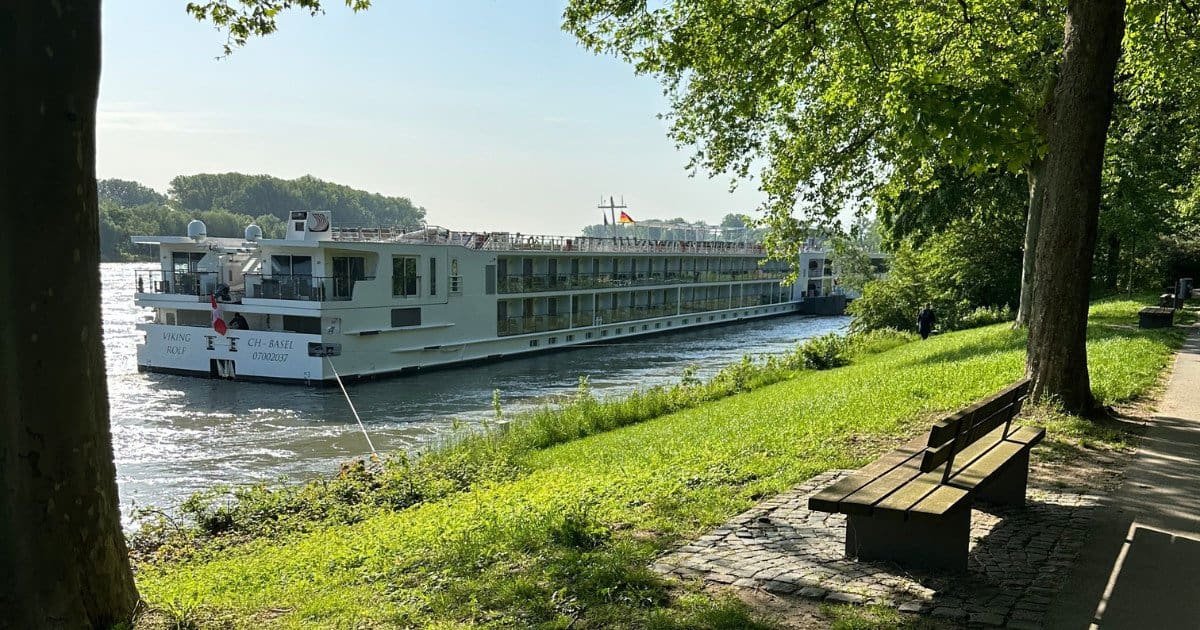
River Cruise Low Water Levels: What to Know Before You Sail
Table of Contents The quick answer In this guide Why Water Levels Affect River Cruises What’s Happen…

AmaWaterways vs Viking River Cruise: Which One Is Right for You?
Table of Contents The Short Answer ✅ Book AmaWaterways if: ✅ Book Viking if: What’s Included: Where …
Top Excursions for Alaska Cruise
Table of Contents Jump to Your Port Seward Ketchikan Juneau Skagway Sitka Valdez Wrangell Icy Strait…